Funded research

Projects.

From the molecular dialogue between gametophytes to climate-ready crops, our projects connect discovery, biotechnology and the field.

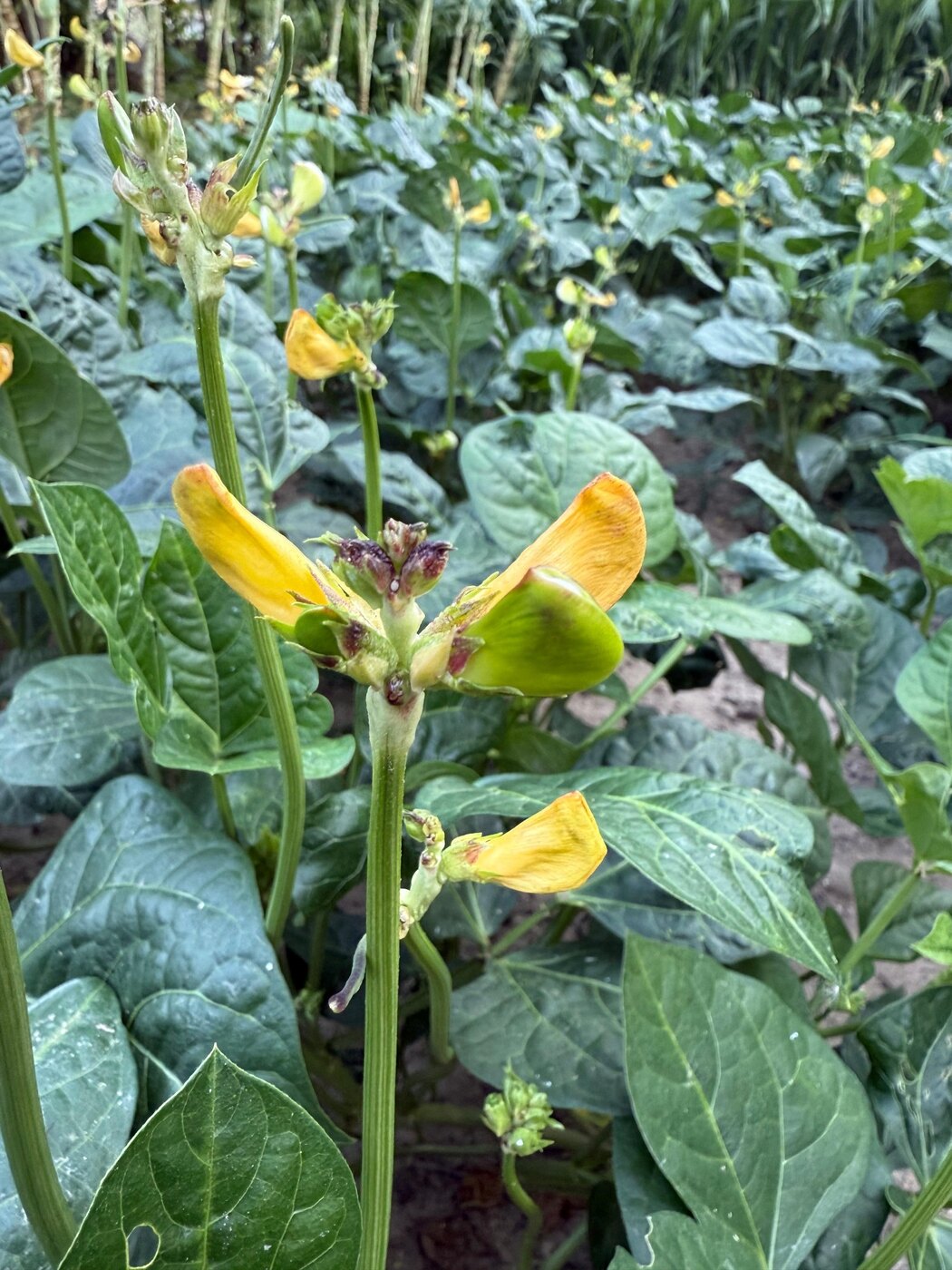
Cowpea plants used in reproductive heat-stress research
01

Current · Cowpea · Heat stress

HEAT4VIGNA

HEAT4VIGNA investigates how heat affects reproduction and productivity in cowpea, combining controlled and field phenotyping with transcriptomics and functional validation. The project compares traditional and commercial varieties to identify resilient genotypes, genes and markers that can support breeding for hotter climates.


Partners
FCUP / LAQV–REQUIMTE · INIAV · Sementes Vivas · James Hutton Institute
Our role
SPReDLab coordinates the project and leads reproductive phenotyping, heat-stress assays, pistil transcriptomics, candidate-gene validation and knowledge transfer.
Rice field used in PrOryza research
02

Current · Rice · Reproduction

PrOryza

PrOryza develops thermotolerant Portuguese rice by studying reproductive performance under high temperature. Field and controlled assays, molecular profiling and new genomic techniques are combined to identify resilient germplasm and candidate genes for future improvement of national varieties.

Partners
FCUP / LAQV–REQUIMTE · ITQB NOVA · INIAV–COTArroz
Our role
SPReDLab leads the reproductive component: pollen–pistil phenotyping, heat-stress experiments, molecular analyses and validation of candidate mechanisms from Arabidopsis to rice.
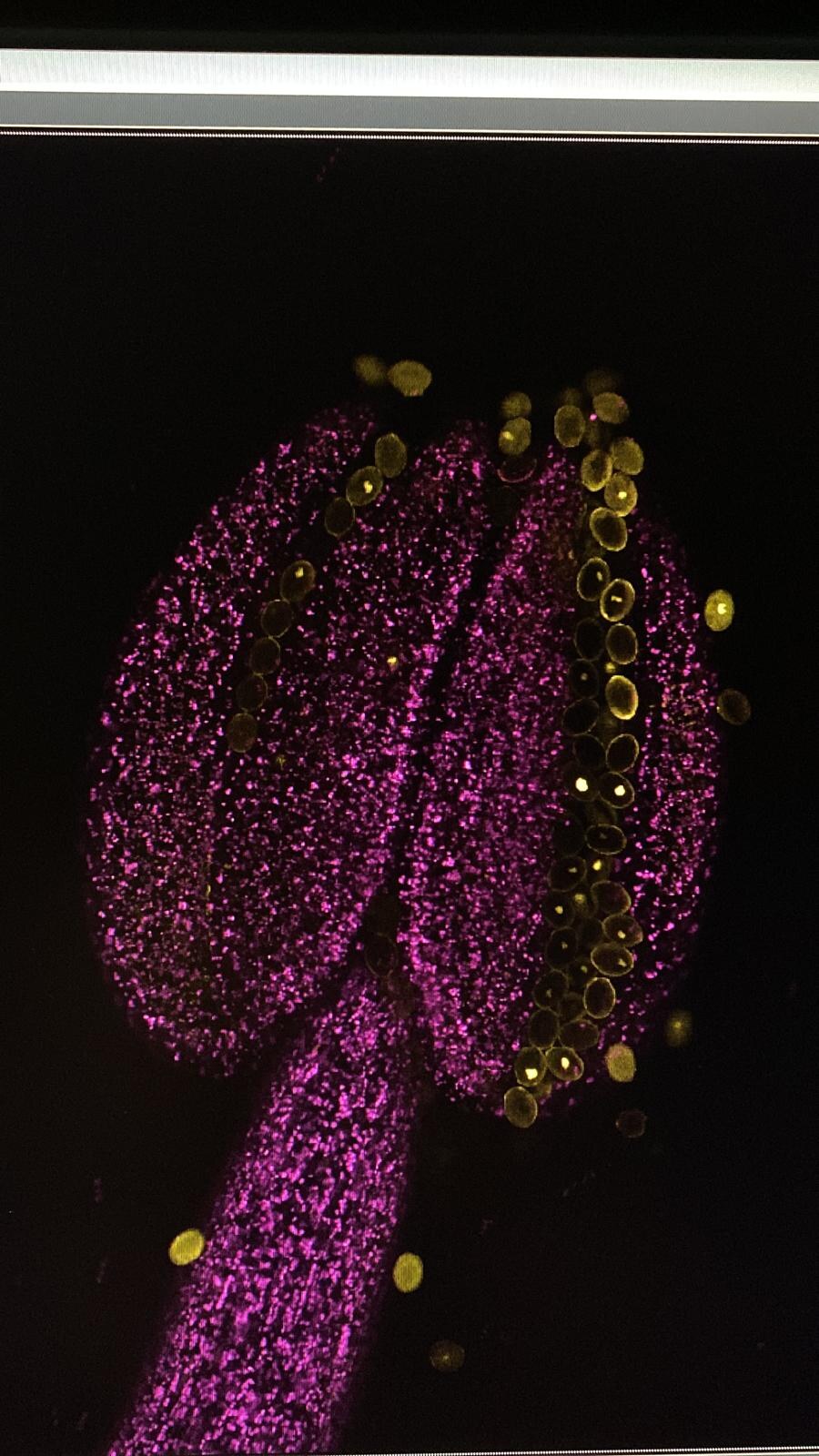
Rice pollen tubes observed by fluorescence microscopy
03

Current · MSCA Staff Exchanges · Rice

CRISPit

CRISPit bridges fundamental knowledge and genome-editing technologies to increase rice heat tolerance. Through international staff exchanges, the consortium integrates reproductive biology, omics, marker discovery and CRISPR-based approaches while training researchers across academic and non-academic environments.

Consortium
Coordinated by the University of Porto, with the University of Milan, University of Calabria, DEIFIL Technology, University of Tokyo, McGill University, Vietnam Academy of Agricultural Sciences, National Institute of Genetics–Japan and the University of Missouri, among other international partners.
Our role
SPReDLab coordinates the consortium and leads the study of reproductive heat tolerance, the Arabidopsis-to-rice validation strategy, researcher exchanges, training and dissemination.
Plant tissue imaged by fluorescence microscopy
04

Current · PRIMA · Mediterranean agriculture

HALO-FORCE

HALO-FORCE explores the adaptive traits of wild halophytes and translates them into strategies for more sustainable, climate-resilient Mediterranean agriculture. Ecology, phenomics, omics and agronomic validation are connected with value-chain development.

Consortium
Coordinated by the University of Padua, bringing together 12 partners from eight countries, including FCUP / LAQV–REQUIMTE.
Our role
SPReDLab contributes expertise in reproductive biology, plant responses to stress and the molecular evaluation of traits relevant to fertility and crop resilience.
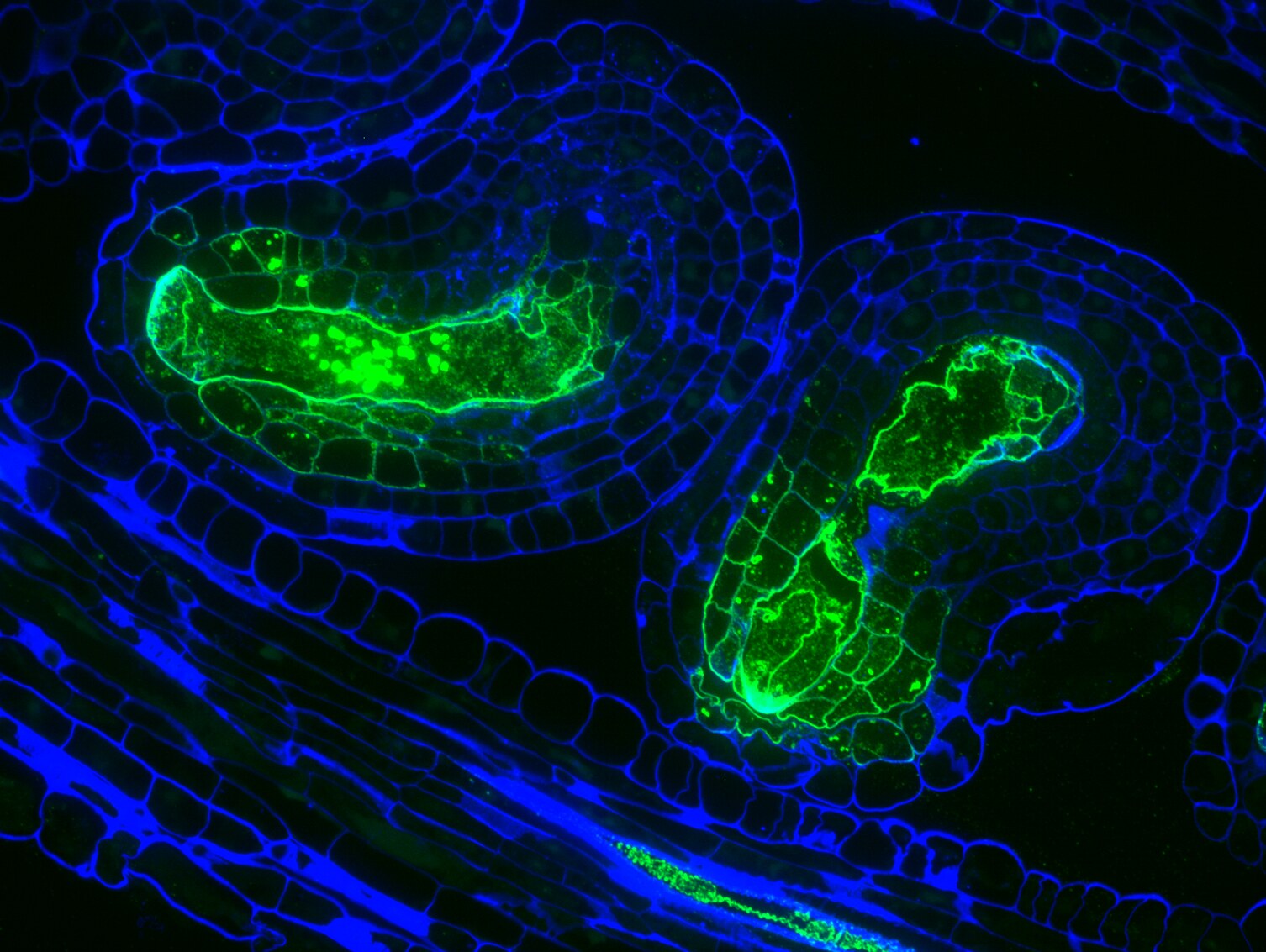
Reproductive plant cells imaged by fluorescence microscopy
05

Current · COST Action · Climate resilience

RECROP

RECROP brings together researchers working on plant reproduction and crop resilience to understand how extreme climatic conditions compromise fertility. The network promotes shared methodologies, training and collaboration across species and research systems, helping translate reproductive knowledge into more resilient crops.

Network
Coordinated by Goethe University Frankfurt, with a European network of institutions in reproductive biology, crop science and climate-stress research, including the University of Porto.
Our role
SPReDLab participates in the COST Action, contributing expertise in pollen-pistil interactions, reproductive heat stress and the transfer of knowledge from Arabidopsis to crops.
Completed projects
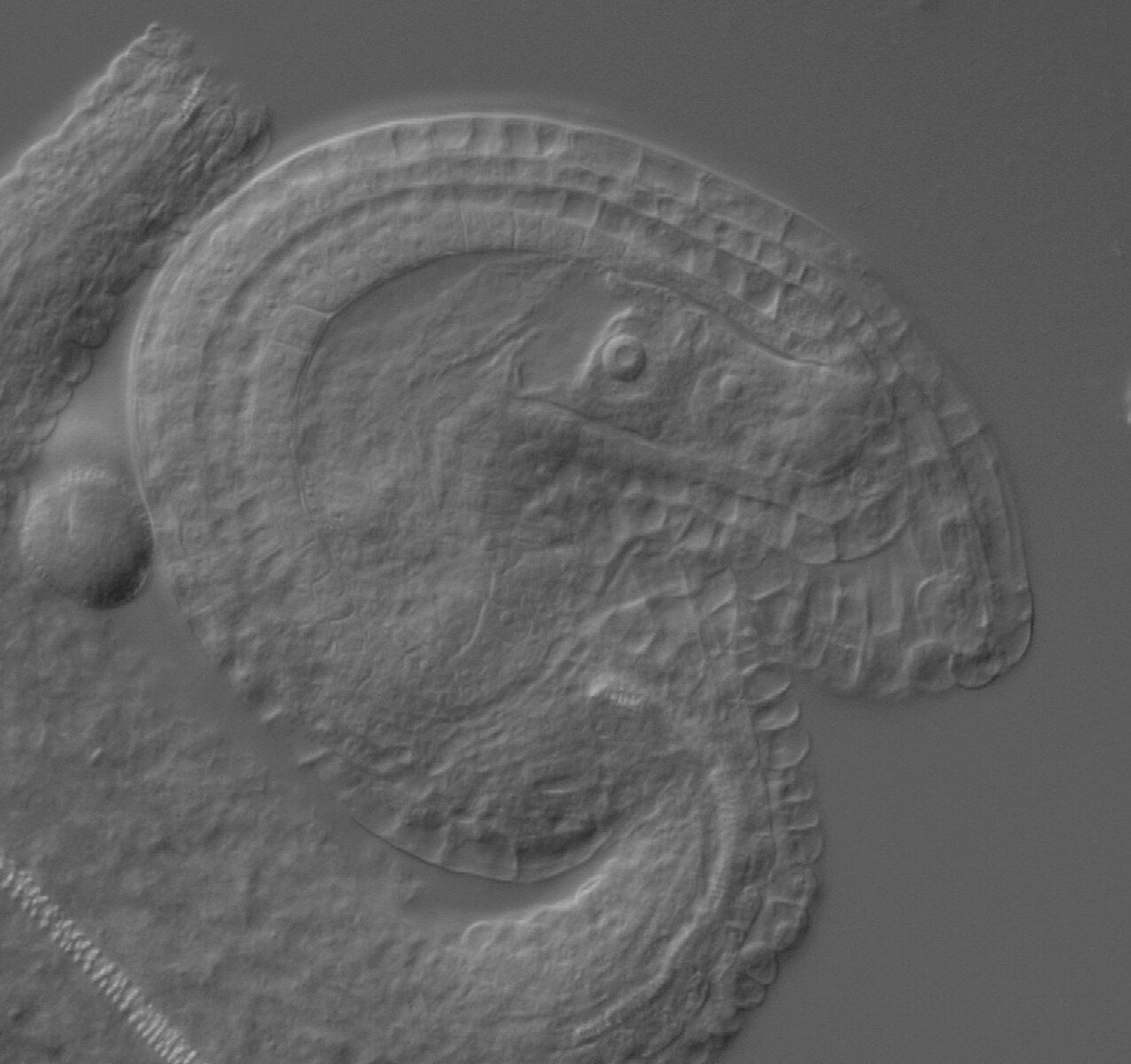
Arabidopsis ovule observed by DIC microscopy
06

Completed · MSCA Research & Innovation Staff Exchange

SEXSEED

SEXSEED built an international research and training network around the mechanisms governing sexual plant reproduction and seed formation. Secondments connected complementary expertise, accelerated knowledge exchange and supported the development of young researchers in reproductive biology.

Partners
University of Porto · University of Milan · University of Galway · University of Perugia · University of Adelaide · North Carolina State University · University of Sydney · Arizona State University · Virginia Tech · Nagoya University
Our role
SPReDLab coordinated the project, its scientific exchanges and training activities, contributing its expertise in pollen–pistil communication, fertilisation and seed development.
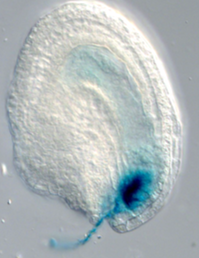
Arabidopsis ovule with GUS reporter signal
07

Completed · FCT · Fertilisation

SeedWheels

SeedWheels investigated the molecular machinery that drives male–female communication towards fertilisation and seed formation. The project focused on the interconnected signalling pathways that allow pollen tubes and female reproductive tissues to recognise, communicate and coordinate successful fertilisation.

Institution
University of Porto / FCUP · Funded by Fundação para a Ciência e a Tecnologia
Our role
SPReDLab developed the reproductive and molecular analyses of pollen–pistil crosstalk.
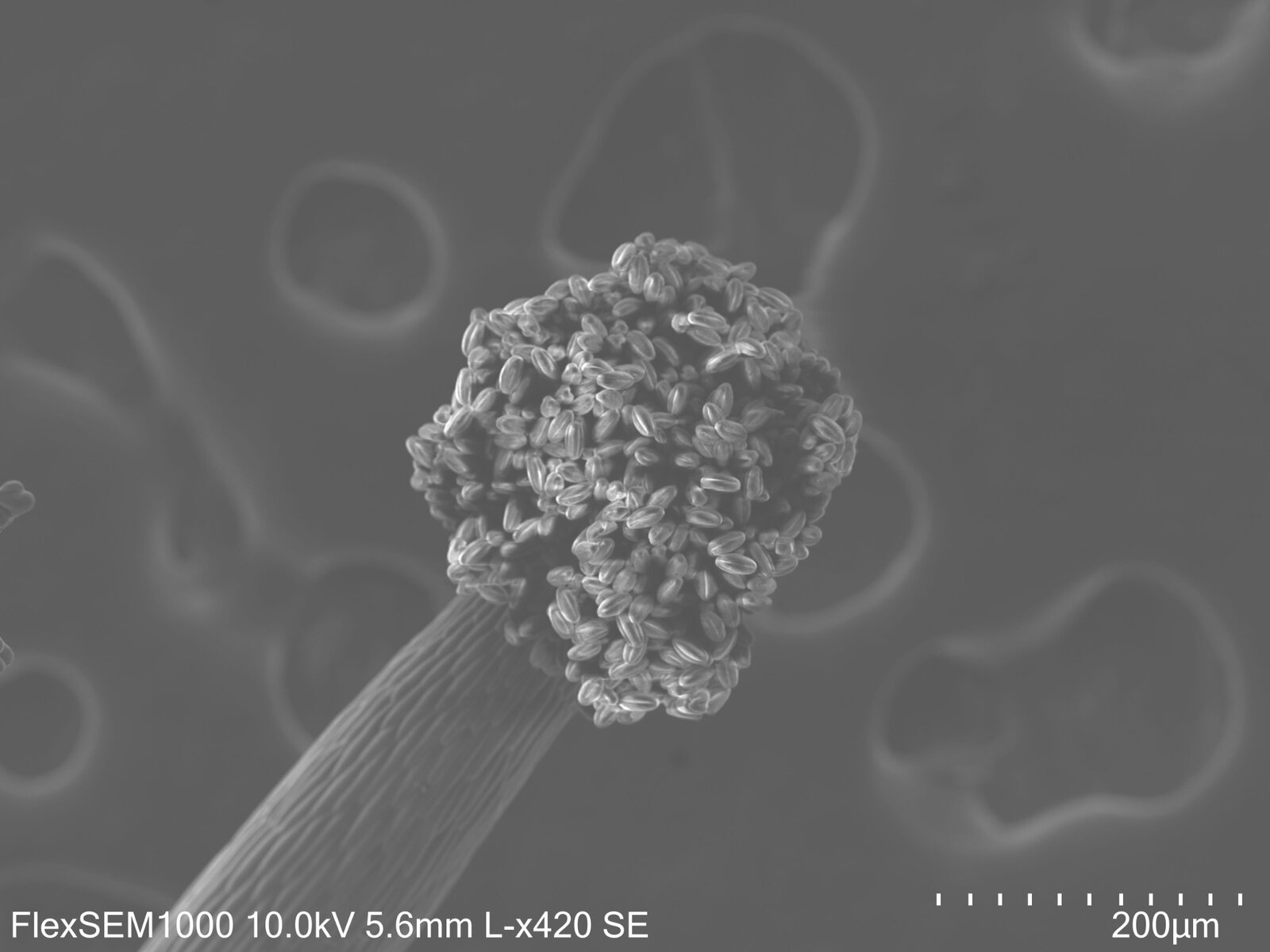
Arabidopsis reproductive tissue observed by scanning electron microscopy
08

Completed · FCT · Arabinogalactan proteins

AGPs crosstalk in Arabidopsis pollen–pistil interaction

This project examined how arabinogalactan proteins participate in the molecular dialogue between pollen and pistil in Arabidopsis. By combining genetics, cell biology and reproductive phenotyping, it helped establish AGPs as important components of pollen–pistil recognition and fertilisation.

Institution
University of Porto / FCUP · Funded by Fundação para a Ciência e a Tecnologia
Our role
SPReDLab led the study of AGP function during pollen–pistil interactions.
Arabidopsis plants used in gametogenesis research
09

Completed · FCT · Gametogenesis

AGPs and GPI anchoring in Arabidopsis gametogenesis

This foundational project investigated the biological roles of arabinogalactan proteins and their glycosylphosphatidylinositol anchoring during Arabidopsis gametogenesis. It provided an early molecular framework for the laboratory’s long-standing research on AGPs in sexual plant reproduction.

Institution
University of Porto / FCUP · Funded by Fundação para a Ciência e a Tecnologia
Our role
SPReDLab studied AGP localisation and function in reproductive cells and tissues.
Rice field used in crop resilience research

From discovery to fields

Science that
travels.

Arabidopsis gives us mechanisms. Crops give those discoveries a destination.